
"Buna dabo naw"
220 article(s) found

Introduction to the taste characteristics of Ethiopian coffee flavor description and grindability varieties
Ethiopia's geographical environment is very suitable for coffee growth. Coffee is mainly grown in the southern highlands between 1100 and 2300 meters above sea level. The main coffee producing areas are Harar, Limu, Djimma, Sidamo, Kaffa, Yergacheffe and Wellega. The soil drainage in these areas is good.

Hand-made coffee beans recommended Bita Manor coffee beans come from Ethiopia's most original gift.
Professional coffee knowledge exchange more coffee bean information please pay attention to the coffee workshop (Wechat official account cafe_style) front street-Bita Manor Kafa, Cayon Mountain, Ethiopia, also translated Kaffa, southwestern Ethiopia, located in the plateau mountain elevation of 1800-2400 meters, a subtropical highland climate, abundant rainfall, fertile land. Important agricultural and animal husbandry areas. National coffee

Introduction to the description of taste and flavor of high-quality coffee beans in Ethiopian coffee farm
Grade of Ethiopian coffee: Ethiopian washed coffee Yega Chuefei G1 G2 Sidamo (Yirgacheffe, Sidamo) has the highest grades 2 and 3 (G2, G3), while sun-processed coffee in eastern Ethiopia is mostly grade 4 or 5 (G4, G5). In many cases, level 4 coffee is marked as level 5 in order to reduce taxes. At present, the classification is not uniform and there are

Ethiopia Yega Shefi g2 washed coffee bean cup flavor description region introduction
Ethiopia Yegashefi g2 washed coffee cup flavor description of the region Yegashefi is a small town, 700-2100 meters above sea level, is synonymous with Ethiopian fine coffee It is a wetland since ancient times, and the old saying Yirga means to settle down, and Cheffe means wetland. The way coffee is produced here and the flavor is too prominent to cause Ethiopian coffee

Taste characteristics of Ethiopian Coffee Manor Flavor description and introduction of varieties producing areas
Ethiopian coffee beans grow in close to the natural environment, after years of planting under the same growth conditions, Ethiopian coffee beans have gradually adapted to the environment here. More than 60% of coffee beans are grown in forests or semi-forests. Large-scale coffee-growing villages account for about 35% of the country's total coffee production. Many of these are used.

The Coffee ceremony Culture in Ethiopia
Everyone has his own habit when drinking coffee. For example, we have our favorite coffee brewing equipment, which may be a French filter, an American coffee maker, or a sophisticated fully automatic espresso machine. We have our own preference for coffee taste, thickness, the choice of seasoning, whether to add sugar, everyone likes the taste of coffee is unique. Even us.

Introduction to the method of Flavor description, Grinding Calibration and Variety treatment in Shaqiso producing area of Ethiopian Coffee
Ethiopian Coffee Coffee Shachiso Flavor description Grinding Calibration Variety treatment method introduces the grade of Ethiopian coffee: Ethiopian washed coffee Yega Xuefei G1 G2 Sidamo (Yirgacheffe, Sidamo) the highest grades are grade 2 and 3 (G2, G3), and most of the sun-processed coffee in eastern Ethiopia are grade 4 or 5 (G4, G5).

Flavor description method of Ethiopian Coffee Manor introduction to the taste of varieties in producing areas
Ethiopia's geographical environment is very suitable for coffee growth. Coffee is mainly grown in the southern highlands between 1100 and 2300 meters above sea level. The main coffee producing areas are Harar, Limu, Djimma, Sidamo, Kaffa, Yergacheffe and Wellega. The soil drainage in these areas is good.

Flavor description of Ethiopian Candle Coffee Bean introduction to the regional treatment of varieties
Flavor description of Ethiopian Candle Coffee beans in the field of boutique coffee, there are also five other small places, namely Lim, Gemma, Lakamputi, Bebeca and Limmu, Djimmah, Lekempti, Bebeka and Wolega. The most common coffee is Essidamo or Harald (Either Sidamo or Harr).
A brief introduction to the flavor characteristics of Yega Sheffield Alamo Coffee Cooperative
Professional coffee knowledge exchange more coffee bean information please follow the coffee workshop (Wechat official account cafe_style) front street-Yega Sheffield Alamo Cooperative washing G1 introduction to the ancient countries on the African continent, Ethiopia is the hometown of Arabica coffee, it is in the forests of the Kaffa region that you can see wild Arabica coffee. Coffee is in Egypt.

West Damomo Lion King Coffee Bean Grind Scale Processing Variety Manor Area Introduction
Coffee is Ethiopia's most important export cash crop and the main source of foreign exchange earnings. Ethiopia's coffee exports account for about 3% of the world market share, making it the eighth largest coffee exporter in the world. Coffee exports increased steadily from 58,000 tons in 1990- 91 to 1995 - 96

An introduction to the Cultural History of Coffee Bean Story in Ethiopia
Introduction to the Cultural History of the Ethiopian Coffee Bean Story Getachew Mengistie, director of the Ethiopian Bureau of intellectual property, bluntly pointed out that farmers sell raw beans for $1.45 per pound, while Starbucks sells for $26 per pound in the United States, a price difference of 18 times. The reason is that Ethiopia does not know how to use intellectual property rights to create value for farmers.

The story of ancient early mocha coffee in Kafa forest, Ethiopia _ how to make mocha coffee in Kafa forest
Professional coffee knowledge exchange more coffee bean information please follow the coffee workshop (Wechat official account cafe_style) if Hara is the fighting mage of the Ethiopian tribe this Kapha forest is the magical witch ABBYSINIAN MOCCA boutique producing area: Kafa forest altitude: 1800-2100 m varieties: Arabica beans: Essegu early seed treatment: ancient tradition

Ethiopia Sidama Region Geographical Features Manor Flavor Description Origin Yega Shefi Features
In the southwestern highlands of Ethiopia, the Kaffa, Sheka, Gera, Limu and Yayu Senli coffee ecosystems are considered the home of Arabica coffee. These forest ecosystems are also home to a variety of medicinal plants, wildlife and endangered species. angstroms

Introduction to the quality of Ethiopian Coffee Bean varieties by describing the Flavor of Solar washing
Introduction to the quality of Ethiopian coffee bean varieties sun washing flavor description in Ethiopia, the grading and quality control system of coffee is divided into three levels: producer, regional and national. All coffee is inspected by local inspection agencies before leaving the country of origin, and then re-tested at the coffee inspection and grading centers in Addis and Diredawa to determine its quality grade. Coffee

Coffee ceremony in Ethiopia experience local traditional coffee ceremony
Professional Coffee knowledge Exchange more information about coffee beans Please follow the coffee workshop (Wechat official account cafe_style) there are many different ways to make coffee today. It is very popular all over the world, and many different countries and cultures have added their own delicacies to it. In Ethiopia, they are famous for performing the so-called Ethiopian coffee ceremony. Ethiopia
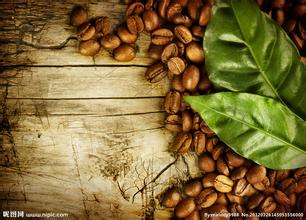
Introduction to Ethiopian Coffee Grade
Grade of Ethiopian coffee: Ethiopian washed coffee Yega Chuefei G1 G2 Sidamo (Yirgacheffe, Sidamo) has the highest grades 2 and 3 (G2, G3), while sun-processed coffee in eastern Ethiopia is mostly grade 4 or 5 (G4, G5). In many cases, level 4 coffee is marked as level 5 in order to reduce taxes. At present, the classification is not uniform and there are

Ethiopian coffee plantation with unique quality and moderate pH
Harar Coffee is produced in the eastern highlands of Ethiopia. It is medium bean-shaped and large

Ethiopian coffee flavor description processing characteristics of varieties of production area taste processing introduction
In the southwestern highlands of Ethiopia, the Kaffa, Sheka, Gera, Limu and Yayu Senli coffee ecosystems are considered home to Arabica coffee. These forest ecosystems are also home to a variety of medicinal plants, wildlife, and endangered species, large coffee farming villages.

Description of Geographical characteristics and Flavor of Coffee beans in Yegashifi Sidamo area
Description of Geographical characteristics and Flavor of Coffee beans in Yegashifi Cedamo production area the highest grades of Cedamo (Yirgacheffe, Sidamo) are Grade 2 and Grade 3 (G2 and G3), and most of the sun-processed coffees in eastern Ethiopia are Grade 4 or Grade 5 (G4, G5). In many cases, level 4 coffee is marked as level 5 in order to reduce taxes. The current grading is not very unified.